Cosmetic Dental Bonding
Quick Facts About Cosmetic Dental Bonding
- Key Benefits: Dental bonding can quickly improve the appearance of chipped, gapped, discolored, or misshapen teeth with minimal alteration to your natural tooth structure.
- Potential Candidates: Bonding is often a good option for patients with minor cosmetic concerns who are looking for a fast, budget-friendly, and non-invasive way to refine their smile.
- Treatment Details: This procedure typically involves applying and shaping a tooth-colored composite resin directly onto the tooth, then curing and polishing it to blend with the surrounding teeth.
- Cost: The cost of cosmetic bonding can vary based on factors such as the number of teeth being treated, the complexity of the case, and more.
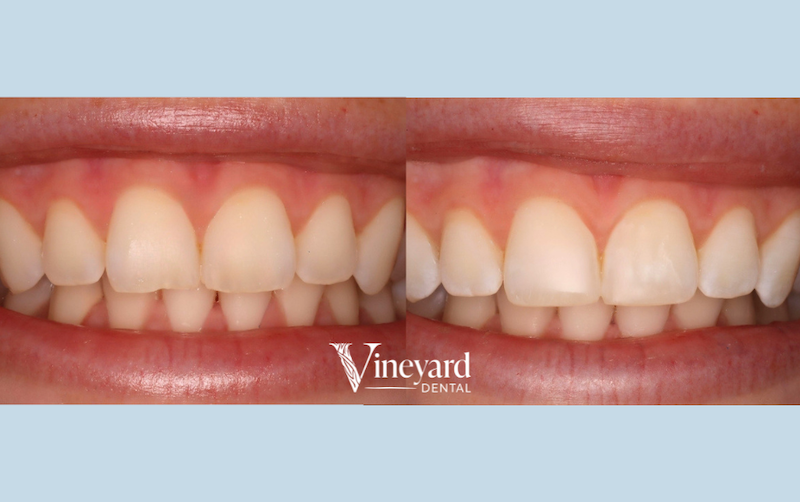
Achieving a more confident smile doesn’t always require extensive treatment. For patients dealing with small chips, gaps, or discoloration, cosmetic dentist Eric Rackley, DMD, and family dentist Keenan Smith, DMD, often recommend cosmetic bonding as a simple, more budget-conscious solution. This approach uses a tooth-colored composite resin that is applied directly to the affected tooth or teeth, allowing our dentists to correct minor imperfections while preserving as much of your natural enamel as possible. Once shaped and polished to blend seamlessly with your smile, the results are typically visible right away.
What Is Cosmetic Dental Bonding?
Cosmetic dental bonding is a restorative and cosmetic treatment that uses a durable, tooth-colored composite resin to correct minor flaws in the teeth. Unlike treatments that require significant reshaping of the natural tooth, bonding is considered a more conservative option because it typically involves little to no removal of enamel. The resin is applied in layers, molded into the desired shape, and hardened with a special curing light before being polished to achieve a natural-looking, glossy finish that closely resembles surrounding teeth.
Since this cosmetic dentistry procedure is relatively simple and doesn’t usually require anesthesia, it can often be completed in a single office visit, making it a convenient option for patients who want to address cosmetic concerns without a lengthy treatment process.
What Are the Benefits of Dental Bonding?
Cosmetic bonding offers several advantages for patients looking to enhance their smile, including:
- A quick, typically one-visit treatment process
- Little to no removal of healthy tooth structure
- A natural-looking result that blends in well with the surrounding teeth
- A generally lower cost compared to other cosmetic options
- Versatility in addressing a range of minor cosmetic issues
- No need for anesthesia in most cases
Who Is a Candidate for Cosmetic Dental Bonding?
Cosmetic bonding is often best suited for patients with minor to moderate cosmetic concerns and generally healthy teeth and gums. You may be a good candidate for bonding if you have:
- Small chips or cracks in one or more teeth
- Minor gaps between teeth
- Slightly misshapen or irregularly shaped teeth
- Discoloration or staining that hasn’t responded well to whitening
- Worn-down tooth edges
- A desire for a more conservative, lower-cost cosmetic option
Patients with more significant damage, extensive decay, or larger gaps and misalignments may be better suited for alternative treatments, such as porcelain veneers, dental crowns, or orthodontics. During a consultation, our dentists can evaluate your smile and help determine whether bonding or another option can best meet your goals.
How Is Cosmetic Dental Bonding Performed?
The bonding process is fairly straightforward and typically involves the following steps:
- Preparation: Minimal preparation is needed. The tooth surface may be lightly roughened, and a conditioning liquid is applied to help the resin adhere properly.
- Application: The composite resin, selected to match the shade of your natural teeth, is applied to the tooth in a soft, moldable form.
- Shaping: The dentist carefully sculpts the resin to achieve the desired shape, correcting the chip, gap, or irregularity.
- Curing: A special light is used to harden, or cure, the material quickly.
- Polishing: Once hardened, the tooth is trimmed and polished to match the sheen of the surrounding teeth for a seamless, natural appearance.
Most bonding procedures can be completed in about 30 to 60 minutes per tooth, depending on the extent of the correction needed.
How Long Do Dental Bonding Results Last?
With proper care, cosmetic bonding usually lasts several years before it may need to be touched up or replaced. The lifespan of your results can depend on factors such as the location of the bonded tooth, your oral hygiene habits, and lifestyle factors including teeth grinding or biting on hard objects. Routine dental checkups, along with avoiding excessive staining agents like tobacco, can help extend the life of your results.
Ready to enhance your smile? Schedule a consultation with our team to find out if cosmetic dental bonding is right for you and take the first step toward a smile you’ll love showing off.